- HOME
- MONUMENT
- Convent of Christ
- History
- Architecture
- Personalities
- King Afonso Henriques
- D. Gualdim Pais
- King Dinis
- King John I
- D. Lopo Dias de Sousa
- King Duarte
- Prince D. Henrique (Henry
- King John II (1455 - 1495
- King Manuel I (1469 - 152
- Diogo de Arruda
- João de Castilho
- Jorge Afonso
- Olivier de Gand
- King John III (1502 - 155
- Diogo de Torralva
- Friar Anthony of Lisbon
- Baltazar de Faria
- Filipe Terzi
- Philippine Dinasty
- King Philip II of Spain
- King John IV
- Domingos Serrão
- Queen Mary II
- Prince Fernando
- Costa Cabral
- Artisans and Artists
- Intangible Heritage
- Related Heritage
- Glossary
- VISIT OUR MONUMENT
- HERITAGE LEARNING
- TOMAR
- MONASTERIES ROUTE

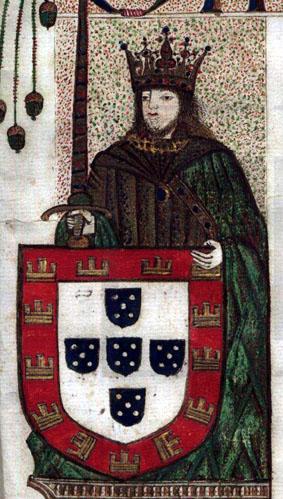
King John II (1455 - 1495)
Son of King Afonso V, he became King in 1481. Since 1474, he was involved in the expansion policy of the Kingdom - with incredible vision even though he had not reached 20 years of age yet.
The definition of the mare causum principle - establishing that the domain of the seas should be linked to their discovery was at the origin of the Toledo Treaty (1480) - King John II agrees to share the lands of the Atlantic by the Canaries parallel steering Spain away from Africa and protecting the Cape route.
During his kingdom the African western coastline was sailed and the Cape of Good Hope was overtaken. The maritime route to India by Vasco da Gama (1498) was prepared by land with the voyages of Pêro da Covilhã and Afonso de Paiva.
The definition of the mare causum principle - establishing that the domain of the seas should be linked to their discovery was at the origin of the Toledo Treaty (1480) - King John II agrees to share the lands of the Atlantic by the Canaries parallel steering Spain away from Africa and protecting the Cape route.
During his kingdom the African western coastline was sailed and the Cape of Good Hope was overtaken. The maritime route to India by Vasco da Gama (1498) was prepared by land with the voyages of Pêro da Covilhã and Afonso de Paiva.
The Tordesilles Treaty of 1494 "divides" the world into two zones of influence - Portugal and Spain. In the Portuguese "zone", Brazil was discovered - there is speculation among historians that the king was previously aware of these lands before signing the treaty.
On national level, King João II strived to strengthen the royal power having harshly repressed conspiracies within the noblemen community. Between 1481 and 1485, various noblemen are either arrested or killed, the Duke of Viseu among them - which later led to the rise to power by King Manuel I, brother-in-law of King John II, after the premature death of the prince heir to the throne - D. Afonso.
King John II dies in the Algarve in 1495. He was first buried in the Silves See and later transferred to the Batalha Monastery in 1499.
SERVICES - ACTIVITIES
HIGHLIGHTS